
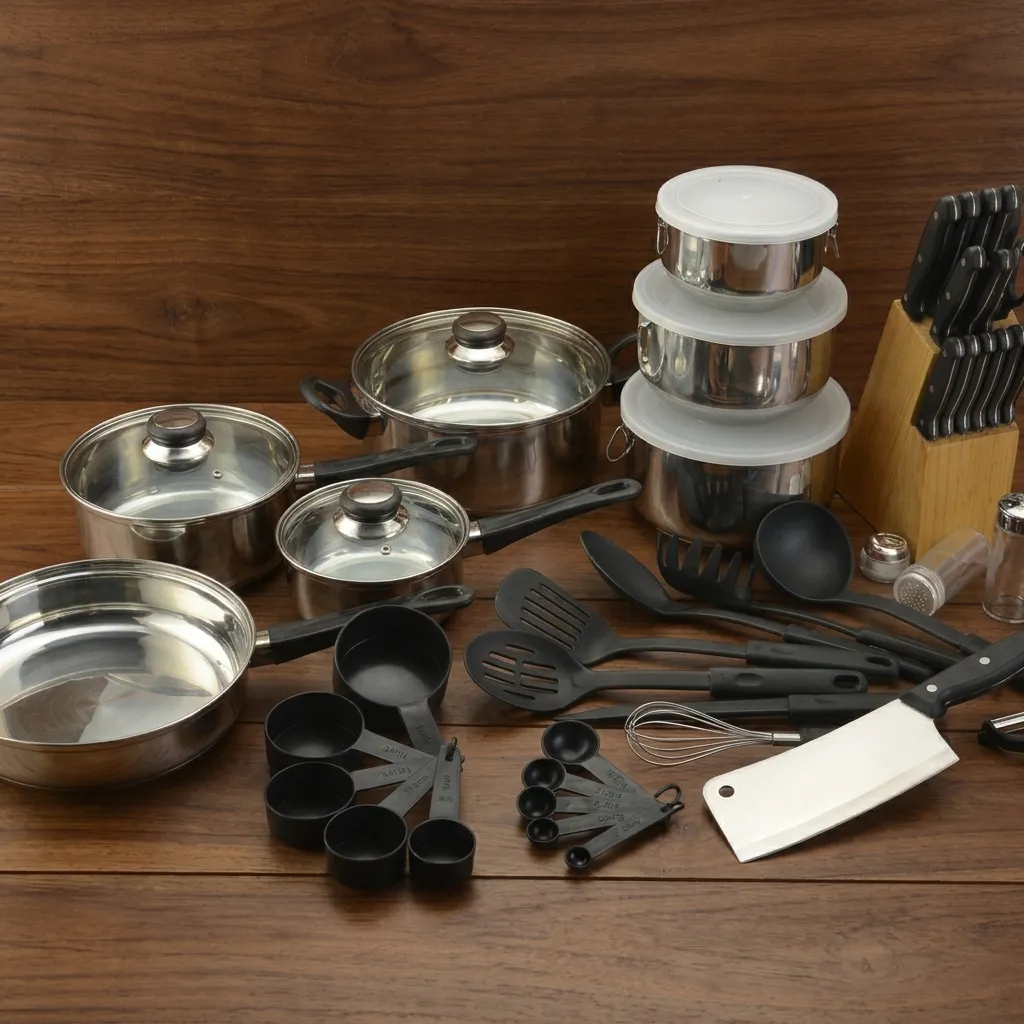
Walk into any kitchenware store and you’ll face the same question: which pan is actually worth buying? Non-stick, stainless steel, and cast iron are the three most popular choices, and each one shines in different situations. This guide compares non-stick vs stainless steel vs cast iron so you can pick the right pan for your cooking style and budget.
Non-Stick Pans
Non-stick pans have a coating, usually PTFE (Teflon) or a ceramic layer, that stops food from sticking. They are the most beginner-friendly option.
Pros:
- Eggs, pancakes, and fish slide right off
- Needs little oil, so cooking is lighter
- Very easy to clean
- Lightweight and comfortable to handle
- Usually the cheapest of the three
Cons:
- The coating wears out over time, so expect to replace the pan every 2 to 5 years
- Cannot handle very high heat
- Scratches easily, so metal utensils are off limits
- Not ideal for getting a deep, brown sear
Best for: Everyday cooking, eggs, delicate fish, and anyone who wants quick cleanup.
Stainless Steel Pans
Stainless steel pans are the professional kitchen favorite. They are durable, versatile, and can handle almost any cooking task.
Pros:
- Excellent for searing, browning, and building flavorful pan sauces
- Handles high heat and can go from stovetop to oven
- Does not react with acidic foods like tomatoes or lemon
- Dishwasher safe and extremely long lasting
- Works with all cooktops, including induction (if magnetic)
Cons:
- Food can stick if you do not preheat properly and use enough oil
- Takes some practice to master
- Cheaper pans can heat unevenly, so look for a layer of aluminum or copper in the base (called “tri-ply” or “clad”)
- Costs more than basic non-stick
Best for: Searing meat, sautéing vegetables, making sauces, and cooks who want a pan that lasts decades.
Cast Iron Pans
Cast iron is the old-school champion. It is heavy, tough, and gets better with age when it is properly seasoned.
Pros:
- Holds heat extremely well, giving a perfect crust on steaks and burgers
- Naturally non-stick once seasoned
- Works on the stove, in the oven, on a grill, or over a campfire
- Can last for generations
- Affordable for the lifetime value you get
Cons:
- Heavy and harder to lift or flip
- Needs regular seasoning and careful drying to prevent rust
- Slow to heat up and slow to cool down
- Acidic foods can strip the seasoning and add a metallic taste
Best for: Searing, frying, baking cornbread, roasting, and anyone who enjoys a bit of kitchen tradition.
Side-by-Side Comparison
| Feature | Non-Stick | Stainless Steel | Cast Iron |
|---|---|---|---|
| Heat tolerance | Low to medium | High | Very high |
| Durability | 2-5 years | Decades | Generations |
| Ease of cleaning | Very easy | Moderate | Needs care |
| Weight | Light | Medium | Heavy |
| Searing ability | Poor | Excellent | Excellent |
| Maintenance | Low | Low | High |
| Price | Low | Medium to high | Low to medium |
| Oven safe | Often limited | Yes | Yes |
Which Pan Should You Buy?
The honest answer is that it depends on how you cook. Here is a simple way to decide.
- Choose non-stick if you cook eggs, pancakes, or delicate fish often, and you value convenience over longevity.
- Choose stainless steel if you want one versatile pan that handles searing, sautéing, and sauces, and you are willing to learn proper technique.
- Choose cast iron if you love a deep sear, want a pan that lasts forever, and do not mind a little maintenance.
If you are on a tight budget, start with one non-stick pan for eggs and one cast iron skillet for everything else. If you can spend a little more, add a good stainless steel pan, and you will cover nearly every recipe.
Care Tips to Make Your Pans Last Longer
- Non-stick: Use wooden or silicone utensils, cook on low to medium heat, and avoid washing with harsh scrubbers.
- Stainless steel: Preheat the pan, add oil, then add food. Soak burnt spots in warm water and baking soda.
- Cast iron: Dry it completely after washing, rub on a thin layer of oil, and avoid long soaking.
Common Mistakes to Avoid
- Cooking on high heat with non-stick: This damages the coating and can release fumes.
- Adding food to a cold stainless steel pan: This is the main reason food sticks.
- Washing cast iron and leaving it wet: Moisture leads to rust quickly.
- Buying cheap, thin pans: They heat unevenly and warp over time.
Final Thoughts
There is no single best pan, only the best pan for your kitchen. Non-stick offers convenience, stainless steel offers versatility, and cast iron offers unmatched durability and heat. Think about what you cook most, how much care you are willing to give, and your budget. For most home cooks, a mix of two or three pans gives the best results.


Add comment